Honda’s precision-engineered manual transmissions demand specific fluid; using the incorrect type risks shifting issues, premature wear, and potential transmission failure.
Why Using the Correct Fluid Matters
Employing the appropriate manual transmission fluid in your Honda is paramount for maintaining optimal performance and longevity; Incorrect fluid can compromise synchronizer performance, leading to grinding gears and difficulty shifting. This mismatch accelerates wear on internal components, diminishing the transmission’s lifespan. Honda transmissions are meticulously designed, and utilizing a non-specified fluid disrupts the intended lubrication and material compatibility.
This can result in costly repairs or even complete transmission failure, highlighting the critical importance of adherence to Honda’s recommendations.
The Importance of Honda-Specific Fluids
Honda-specific manual transmission fluids, like Genuine Honda MTF, are engineered to meet the precise requirements of their transmissions. These fluids contain unique additives that enhance lubrication, protect against corrosion, and ensure compatibility with the materials used in Honda gearboxes; Generic gear oils often lack these crucial components, potentially causing damage over time.
While some GL-4 75W-80 oils may function, they don’t offer the same level of protection or performance as Honda’s formulated fluids, making adherence to specifications vital for long-term reliability.
Understanding Honda Manual Transmission Fluid Types
Honda utilizes Genuine MTF, and commonly, 75W-80 GL-4 gear oil serves as an alternative; understanding synthetic versus conventional options is also crucial for optimal performance.
Genuine Honda MTF (Manual Transmission Fluid)
Honda’s Genuine Manual Transmission Fluid (MTF) is specifically formulated to meet the unique demands of their manual transmissions. It’s engineered for optimal compatibility with synchronizers and other internal components, ensuring smooth and reliable shifting performance. Unlike universal gear oils, Genuine Honda MTF provides superior protection against wear and corrosion, extending the life of the transmission.
Many Honda technicians strongly recommend using Genuine MTF, as it’s designed to maintain the factory-intended performance characteristics. While alternatives exist, they may not offer the same level of protection or compatibility, potentially leading to issues over time. It’s generally a 75W-80 viscosity grade, similar to a 20 or 30 weight engine oil.
75W-80 GL-4 Gear Oil – A Common Alternative
For Honda manual transmissions, 75W-80 GL-4 gear oil frequently serves as a viable alternative to Genuine Honda MTF, offering a balance of viscosity and performance. The “75W-80” designation indicates its cold and warm-temperature viscosity characteristics, ensuring proper lubrication across a range of conditions. The GL-4 classification signifies it’s designed for non-synchronized transmissions, though suitable for many Honda applications.
However, it’s crucial to verify compatibility with your specific Honda model, as some may require the unique properties of Genuine MTF. While cost-effective, GL-4 oils may not provide the same level of protection as Honda’s specifically formulated fluid.
Synthetic vs. Conventional Manual Transmission Fluid
When considering Honda manual transmission fluid, the debate between synthetic and conventional options arises. Synthetic fluids generally offer superior performance characteristics, including enhanced thermal stability, improved shear strength, and better resistance to oxidation. This translates to longer fluid life and potentially improved transmission protection, especially under demanding conditions.
Conventional fluids are typically more affordable but may require more frequent changes and may not withstand extreme temperatures as effectively. For many Honda applications, a high-quality synthetic 75W-80 GL-4 or Genuine Honda MTF is recommended for optimal performance.
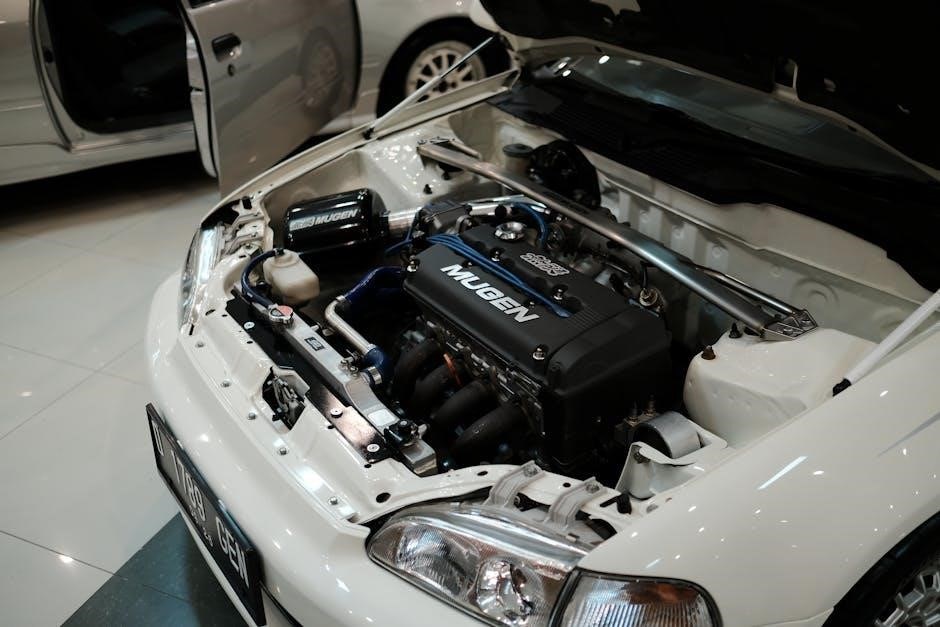
Honda Transmission Fluid Specifications by Model
Honda’s manual transmission fluid requirements vary by model and year; consulting your owner’s manual is crucial for selecting the correct fluid type and capacity.
Civic Manual Transmission Fluid Requirements
Honda Civic manual transmissions generally require a 75W-80 GL-4 gear oil, though specific needs depend on the model year. Earlier Civics often benefit from genuine Honda MTF, while later models may be compatible with high-quality synthetic alternatives. Regularly checking the fluid level and condition is vital for smooth shifting and longevity. Ignoring these requirements can lead to difficulty engaging gears, increased wear on internal components, and ultimately, costly repairs. Always prioritize using the manufacturer’s recommended fluid to maintain optimal performance and protect your Civic’s transmission.
Accord Manual Transmission Fluid Requirements
Honda Accord manual transmissions, similar to the Civic, typically utilize a 75W-80 GL-4 gear oil. However, variations exist based on the specific Accord generation. Genuine Honda MTF remains the preferred choice for many owners, ensuring compatibility and optimal performance. Synthetic alternatives meeting GL-4 specifications are also viable options. Consistent monitoring of the fluid’s level and condition is crucial for preventing shifting problems and extending transmission life. Using the correct fluid safeguards against premature wear and potential failure, preserving the driving experience.
CR-V Manual Transmission Fluid Requirements
Honda CR-V manual transmissions generally require a 75W-80 GL-4 gear oil, mirroring the recommendations for Civic and Accord models. Prioritizing Genuine Honda MTF is advisable to maintain optimal gear lubrication and shifting smoothness. While aftermarket synthetic options meeting GL-4 standards are acceptable, verifying compatibility with your specific CR-V year is essential. Regular fluid checks are vital, alongside timely changes, to prevent internal damage and ensure long-term reliability. Proper fluid selection protects against wear and maintains the CR-V’s renowned performance.
Older Honda Models and Fluid Compatibility
Determining the correct manual transmission fluid for older Honda models requires careful research. While many earlier Hondas also utilize 75W-80 GL-4 gear oil, some may have differing specifications. Consulting the owner’s manual or a Honda dealership is crucial for accurate information; Avoid using fluids not meeting GL-4 standards, as they can cause damage. Upgrading to a modern synthetic fluid can benefit older transmissions, but ensure full compatibility. Prioritize genuine Honda MTF when available, safeguarding against potential issues and preserving the vehicle’s longevity.
Checking Your Honda Manual Transmission Fluid Level
Regularly inspect your Honda’s manual transmission fluid; check for proper levels via the fill plug, and assess its condition for discoloration or metallic particles.
Locating the Transmission Fluid Fill Plug
Finding the transmission fluid fill plug on your Honda requires a bit of searching. It’s typically located on the side of the transmission case itself, often near the rear. You may need to crawl under the vehicle for access, so safety precautions are crucial – always use jack stands! The plug is usually a large bolt, distinct from the drain plug. Consult your vehicle’s service manual for the precise location, as it can vary slightly depending on the Honda model and year. Identifying the correct plug prevents accidental damage or fluid loss. Remember to clean the area around the plug before attempting removal to avoid contamination.
The Dipstick Method (If Applicable)
Unlike many automatic transmissions, most Honda manual transmissions do not have a dipstick for checking the fluid level. However, some older models might. If your Honda is equipped with one, it’s usually brightly colored and located near the top of the transmission. To check, warm up the transmission by driving briefly. With the engine running, carefully remove the dipstick, wipe it clean, reinsert it fully, and then remove it again to read the level. The fluid should be between the “min” and “max” marks. Always ensure the vehicle is on a level surface for an accurate reading.
Visual Inspection of Fluid Condition
Even without a dipstick, you can assess your Honda’s manual transmission fluid condition; After draining a small sample, healthy fluid should be relatively clear and honey-colored. Dark, murky fluid indicates contamination and degradation, signaling a need for a change. A metallic sheen suggests internal transmission wear. A burnt smell is a clear sign of overheating and fluid breakdown. Gritty particles indicate significant internal damage. Regularly inspecting the fluid’s appearance and smell provides valuable insight into your transmission’s health, potentially preventing costly repairs.
Changing Your Honda Manual Transmission Fluid
Regular fluid changes are crucial for Honda manual transmissions, typically every 30,000 to 60,000 miles, ensuring optimal performance and longevity of the gearbox.
Tools and Materials Needed
Successfully changing your Honda’s manual transmission fluid requires gathering specific tools and materials beforehand. You’ll need the correct fluid – either Genuine Honda MTF or a compatible 75W-80 GL-4 gear oil. Essential tools include a wrench or socket set to remove the fill and drain plugs, a fluid pump or squeeze bottle for easy filling, and a drain pan to catch the old fluid.
Gloves and safety glasses are recommended for protection. A funnel can aid in preventing spills during the filling process. Torque wrench is also important to ensure proper tightening of the plugs, preventing leaks. Finally, have shop towels readily available for cleanup, and a container for responsible disposal of the used fluid.
Step-by-Step Fluid Change Procedure
Begin by warming up the transmission slightly. Locate and remove the drain plug, allowing the old fluid to fully drain into your pan. Once drained, reinstall the drain plug with a new crush washer, torquing it to specification. Next, locate the fill plug and remove it. Using a pump or bottle, slowly fill the transmission with the correct fluid until it reaches the overflow level.
Reinstall the fill plug, again torquing to specification. Finally, verify there are no leaks and take the vehicle for a short test drive, rechecking the fluid level after.
Proper Disposal of Used Transmission Fluid
Used transmission fluid is considered hazardous waste and must never be poured down drains, onto the ground, or into the trash. Instead, carefully transfer the used fluid into a sealed, leak-proof container – the original fluid bottles work well. Many auto parts stores, like AutoZone or Advance Auto Parts, accept used fluid for recycling, often free of charge.
Alternatively, your local waste management facility or a dedicated hazardous waste collection center can properly dispose of it. Always check local regulations for specific disposal guidelines.
Common Problems Caused by Incorrect Fluid
Using the wrong fluid in your Honda’s manual transmission can cause difficulty shifting, premature wear of internal components, and even complete failure.
Difficulty Shifting Gears
One of the earliest signs of using incorrect manual transmission fluid in your Honda is experiencing difficulty shifting gears. This manifests as a reluctance to move into certain gears, a grinding sensation during shifts, or a generally notchy and imprecise feel. The incorrect viscosity or lack of proper lubrication prevents the synchronizers from engaging smoothly, leading to these issues.
Over time, continued use of the wrong fluid exacerbates this problem, potentially damaging the synchronizers and shift forks. Addressing this promptly with the correct Honda-specific fluid is crucial to prevent further damage and restore smooth shifting performance.
Premature Transmission Wear
Using the wrong manual transmission fluid in your Honda significantly accelerates wear on internal components. Incorrect fluid lacks the necessary additives to protect gears and bearings from metal-to-metal contact, leading to increased friction and heat. This accelerated wear impacts synchronizers, gears, and even the transmission housing itself.
Over time, this results in chipped gears, worn bearings, and a generally weakened transmission. Ignoring this issue leads to more significant and costly repairs down the line. Regular use of Honda-specific fluid is vital for minimizing wear and extending the life of your transmission.
Transmission Failure
Ultimately, consistently using the incorrect manual transmission fluid in your Honda can lead to complete transmission failure. The lack of proper lubrication and protection causes catastrophic damage to vital internal components. Severely worn gears can break, bearings can seize, and shafts can snap under stress.
This results in a non-functional transmission requiring a complete rebuild or replacement – a significantly expensive repair. Preventing this outcome requires diligent adherence to Honda’s fluid specifications and regular fluid changes. Don’t gamble with your transmission’s longevity; use the correct fluid!
Top-Rated Honda Compatible Manual Transmission Fluids
Several fluids excel in Honda manual transmissions, including Genuine Honda DW-1, Red Line MT-90, Motul Gear 300, Amsoil, and Valvoline High Mileage options.
Honda Genuine DW-1 Manual Transmission Fluid
Honda Genuine DW-1 is the manufacturer’s recommended manual transmission fluid for many Honda vehicles. It’s a fully synthetic, high-performance gear oil designed to maximize transmission efficiency and protect against wear. DW-1 offers superior shear stability and oxidation resistance, ensuring long-lasting performance even under demanding conditions.
Using DW-1 helps maintain smooth shifting and extends the life of your transmission. While often more expensive than alternatives, many Honda enthusiasts consider it the best choice for preserving the integrity of their manual transmissions, especially for newer models where it’s specifically required.
Red Line MT-90
Red Line MT-90 is a popular synthetic manual transmission fluid frequently used in Hondas as an alternative to Genuine Honda MTF. It’s known for its excellent friction coefficient and ability to improve shift quality, particularly in transmissions that experience notchy shifting. MT-90 boasts high shear stability and thermal breakdown resistance, offering robust protection.
Many Honda owners report smoother gear engagement and reduced transmission noise after switching to Red Line MT-90. However, it’s crucial to verify compatibility with your specific Honda model, as some may benefit more from the original DW-1 fluid.
Motul Gear 300
Motul Gear 300 is a fully synthetic 75W-80 gear oil often considered a high-performance alternative for Honda manual transmissions. It’s formulated to provide exceptional protection against wear and tear, even under extreme driving conditions, and offers excellent thermal stability. Many enthusiasts praise its ability to enhance shifting smoothness.
Motul Gear 300’s ester-based formulation contributes to improved lubrication and reduced friction. While generally compatible with many Honda models, confirming suitability for your specific year and transmission type is always recommended to avoid potential issues.
Amsoil Synthetic Manual Transmission and Gear Oil
Amsoil Synthetic Manual Transmission and Gear Oil is a popular choice for Honda owners seeking superior protection and performance. This fully synthetic 75W-80 fluid boasts exceptional shear stability, preventing viscosity breakdown under stress, and offers excellent anti-wear properties. It’s designed to withstand high temperatures and provide smooth, quiet operation.
Amsoil’s formulation aims to extend transmission life and improve shifting. Many users report noticeable improvements in gear engagement. As with any aftermarket fluid, verifying compatibility with your specific Honda model is crucial before use.
Valvoline High Mileage Synthetic Manual Transmission Fluid
Valvoline High Mileage Synthetic Manual Transmission Fluid is formulated for vehicles with substantial mileage, offering benefits for older Honda manual transmissions. This 75W-80 fluid contains seal conditioners to help prevent leaks and reduce wear in higher-mileage gearboxes. Its synthetic base provides enhanced thermal stability and protection against deposit formation.
Designed to restore performance in aging transmissions, Valvoline High Mileage aims to improve shifting and reduce noise. While suitable for many Hondas, always confirm compatibility with your specific model year and transmission type before application.

Fluid Viscosity and its Impact
Honda MTF, typically 75W-80, shares viscosity with 20 or 30 weight engine oil, ensuring proper lubrication and gear protection within the transmission.
Understanding 75W-80 Viscosity Grade
The 75W-80 designation for Honda manual transmission fluid indicates its viscosity across a temperature range. The “75W” signifies its cold-weather performance, meaning it flows readily at low temperatures – down to -40°C – ensuring smooth shifting even in frigid conditions. The “80” represents its viscosity at operating temperature (100°C), providing adequate lubrication and protection for the gears under normal driving conditions.
This multi-grade viscosity is crucial; it ensures the fluid isn’t too thick when cold (making shifting difficult) or too thin when hot (reducing protective film strength). Honda specifically recommends this grade for optimal transmission operation and longevity, safeguarding against wear and tear.
Viscosity Comparison to Engine Oil
Interestingly, Honda MTF, being a 75W-80 gear oil, shares a viscosity equivalence with 20 or 30 weight engine oil. While both lubricate, their formulations differ significantly. Engine oil prioritizes detergency and acid neutralization, while transmission fluid focuses on extreme pressure (EP) protection for gears.
This EP performance is vital in a manual transmission, where gears experience high contact stresses. Simply substituting engine oil for transmission fluid is not recommended, as it lacks the necessary additives to prevent gear scoring and wear. Stick to the specified 75W-80 grade for optimal Honda transmission health.

Maintenance Schedule for Manual Transmission Fluid
Honda recommends changing manual transmission fluid every 50,000 to 100,000 miles, depending on the model and driving conditions; annual checks are also crucial.
Recommended Fluid Change Intervals
Determining the ideal manual transmission fluid change interval for your Honda requires considering several factors. Generally, Honda suggests a change between 50,000 and 100,000 miles for many models, but this is a guideline.
Aggressive driving habits, frequent towing, or operating in severe conditions (extreme temperatures, dusty environments) necessitate more frequent changes – perhaps every 30,000 to 60,000 miles. Conversely, primarily highway driving with a gentle foot can extend the interval closer to the 100,000-mile mark. Regularly inspecting the fluid’s condition is vital; if it appears dark, dirty, or metallic, a change is due regardless of mileage.
Factors Affecting Fluid Change Frequency
Several driving and environmental factors significantly impact how often your Honda’s manual transmission fluid should be changed. Aggressive driving – frequent hard acceleration, deceleration, and spirited shifting – generates more heat and stress, shortening the fluid’s lifespan.
Similarly, towing heavy loads or consistently driving in mountainous terrain places extra strain on the transmission. Exposure to extreme temperatures, both hot and cold, can also degrade the fluid more rapidly. Finally, the type of fluid used (synthetic versus conventional) influences the interval; synthetics generally offer longer protection.

Where to Purchase Honda Manual Transmission Fluid
Honda manual transmission fluid is readily available at Honda dealerships, online retailers specializing in automotive products, and most major auto parts stores.
Honda Dealerships
Honda dealerships represent the most reliable source for genuine Honda manual transmission fluid, ensuring you receive the correct specification for your vehicle. While potentially more expensive than other options, purchasing directly from a dealership guarantees authenticity and eliminates the risk of compatibility issues. Dealership service departments can also advise on the correct fluid type based on your specific Honda model and year. Furthermore, they often offer transmission fluid change services performed by trained technicians, providing peace of mind and adherence to Honda’s maintenance recommendations. Expect knowledgeable staff and a commitment to using original parts.
Online Retailers
Numerous online retailers offer Honda-compatible manual transmission fluid, providing convenience and often competitive pricing. Websites like Amazon, eBay, and specialized automotive parts stores carry various brands, including genuine Honda fluid and aftermarket alternatives. However, verifying the seller’s reputation and product authenticity is crucial when purchasing online. Carefully check product descriptions to confirm compatibility with your specific Honda model year. Consider shipping costs and return policies before finalizing your purchase. Online retailers frequently feature customer reviews, offering valuable insights into product performance and reliability.
Auto Parts Stores
Major auto parts stores, such as AutoZone, Advance Auto Parts, and NAPA, typically stock a selection of manual transmission fluid compatible with Honda vehicles. These stores offer the advantage of in-person assistance from knowledgeable staff who can help you identify the correct fluid for your specific model. You can often check local inventory online before visiting the store. Auto parts stores frequently run promotions and offer loyalty programs, potentially saving you money. Ensure the fluid meets Honda’s specifications, and don’t hesitate to ask for clarification.