Recent discussions highlight inflammation’s impact on bodily processes and gut health, extending beyond digestion to muscle recovery and overall well-being.
Adopting an anti-inflammatory diet, rich in fruits, vegetables, and healthy fats, is increasingly recognized as a proactive health strategy.
Celebrities like Aamir Khan demonstrate its benefits, utilizing it to manage migraines and achieve significant weight loss through dietary adjustments.
This approach isn’t a fleeting trend; it’s a proven method for disease risk reduction, emphasizing whole, plant-based foods for sustained health improvements.
What is Inflammation?
Inflammation is fundamentally the body’s protective response to injury, infection, or irritation. It’s a complex biological process involving the immune system, aiming to eliminate harmful stimuli and initiate healing. However, this response can become chronically activated, leading to persistent inflammation, which is now linked to numerous health concerns.
While short-term inflammation is beneficial – think of the redness and swelling around a cut – prolonged, systemic inflammation is detrimental. It’s considered a hidden root of chronic diseases like diabetes, heart disease, and even certain cancers. The “stuff on your plate” significantly influences this process; food can either exacerbate or mitigate inflammation.
Understanding inflammation as a signal is crucial. Sometimes it’s helpful, but often it becomes chronic. Factors like diet, lifestyle, and environmental toxins can contribute to this ongoing inflammatory state. Recognizing this connection empowers individuals to make informed choices, prioritizing foods that actively “douse the flames” of inflammation within the body.
The Role of Diet in Managing Inflammation

Diet plays a pivotal role in modulating inflammation, acting as either a promoter or a suppressor of the inflammatory response. Prioritizing an anti-inflammatory diet, abundant in oily fish, fruits, and vegetables, is a powerful strategy for managing chronic inflammation and improving overall health.

This dietary approach isn’t about restriction, but rather about favoring whole, plant-based foods. It’s about consciously choosing foods that provide the nutrients needed to calm inflammation and support the body’s natural healing processes. Avoiding processed foods and sugary drinks is equally important, as these actively fuel the inflammatory fire.
For men over 50, and individuals facing concerns like achy joints or heart health, dietary adjustments are particularly impactful. An anti-inflammatory diet can help maintain muscle mass and address age-related inflammation. It’s a proactive step towards long-term well-being, demonstrating that everyday food choices can significantly temper inflammation.
Key Food Groups for an Anti-Inflammatory Diet
Focusing on fruits, vegetables, healthy fats, and lean proteins is crucial for reducing inflammation and supporting overall health through dietary choices.
These food groups provide essential nutrients and antioxidants that combat inflammation, promoting a balanced and restorative internal environment.
Fruits: Nature’s Anti-Inflammatory Powerhouses
Fruits are undeniably central to an anti-inflammatory diet, offering a vibrant spectrum of vitamins, minerals, and potent antioxidants. These natural compounds actively combat oxidative stress, a key driver of inflammation within the body. Incorporating a diverse array of fruits ensures a broad intake of beneficial phytonutrients.
The colder months don’t diminish fruit’s availability; in fact, new seasonal options emerge, providing continued anti-inflammatory support. Prioritizing fruits isn’t about restriction, but rather about embracing nature’s colorful bounty. They are a delicious and accessible way to nourish your body and proactively manage inflammation.
Regular fruit consumption contributes to improved gut health, further bolstering the body’s natural defenses. This makes fruits a cornerstone of a holistic approach to wellness, extending benefits beyond simply reducing inflammation.
Berries: A Rich Source of Antioxidants
Amongst the fruit family, berries stand out as particularly potent anti-inflammatory agents, largely due to their exceptional antioxidant content. These small but mighty fruits – including blueberries, strawberries, raspberries, and blackberries – are packed with compounds like anthocyanins, which give them their vibrant colors and powerful protective properties.
Antioxidants neutralize free radicals, unstable molecules that contribute to cellular damage and inflammation. Regularly including berries in your diet can significantly reduce oxidative stress, supporting overall health and well-being. Their convenience and versatility make them easy to incorporate into breakfasts, snacks, or desserts.
Berries aren’t just delicious; they are a functional food, actively working to combat inflammation and promote a healthier internal environment. They represent a simple yet impactful step towards a more anti-inflammatory lifestyle.
Vegetables: Essential for Reducing Inflammation
Vegetables form a cornerstone of any effective anti-inflammatory diet, providing a wealth of vitamins, minerals, and phytonutrients crucial for combating chronic inflammation. Prioritizing vegetable intake is a fundamental step towards supporting the body’s natural healing processes and reducing the risk of various diseases.
The diverse range of vegetables offers a spectrum of benefits; from the vibrant pigments in bell peppers to the sulfur-containing compounds in cruciferous vegetables, each contributes uniquely to inflammation management. Focusing on a colorful plate ensures a broad intake of these protective compounds;
Beyond specific nutrients, vegetables contribute to gut health, a key factor in regulating inflammation. Their fiber content supports a thriving microbiome, further enhancing the body’s ability to manage inflammatory responses.
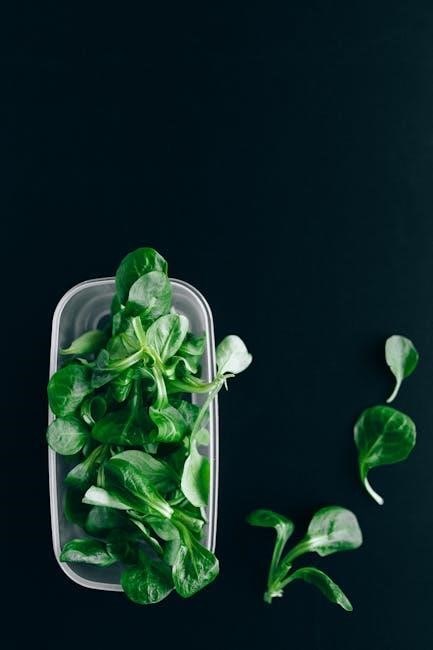
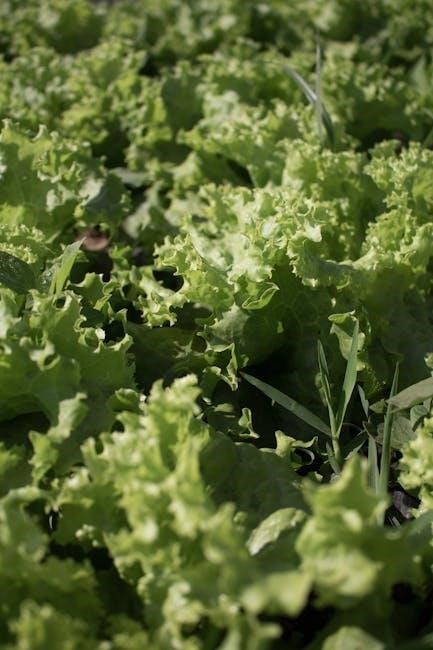
Leafy Greens: Packed with Vitamins and Minerals
Leafy green vegetables stand out as nutritional powerhouses within the broader vegetable category, offering an exceptional concentration of vitamins, minerals, and antioxidants. These nutrients work synergistically to combat inflammation at a cellular level, protecting against oxidative stress and supporting overall health.
Rich in vitamins K, A, and C, alongside folate and magnesium, leafy greens contribute to immune function, bone health, and cardiovascular wellness – all areas impacted by chronic inflammation. Regularly incorporating these into your diet provides a substantial boost to your body’s defenses.
Their high antioxidant content neutralizes free radicals, unstable molecules that contribute to inflammation and cellular damage. This protective effect makes leafy greens an invaluable component of an anti-inflammatory lifestyle.
Cruciferous Vegetables: Supporting Detoxification
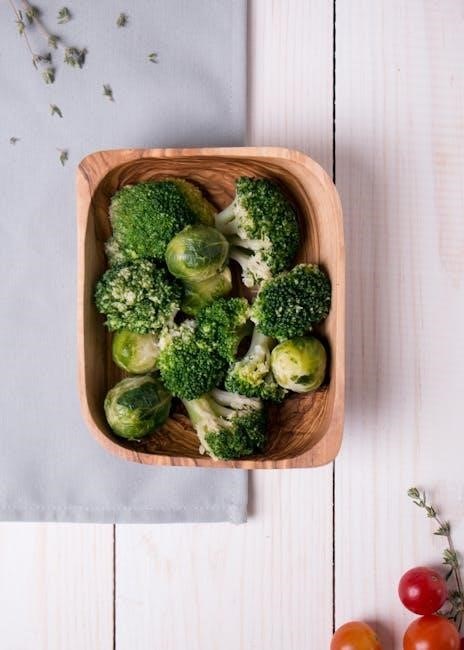
Cruciferous vegetables – including broccoli, cauliflower, kale, and Brussels sprouts – are renowned for their unique sulfur-containing compounds, notably sulforaphane. These compounds play a crucial role in supporting the body’s natural detoxification processes, a key aspect of managing inflammation.
Detoxification pathways help eliminate toxins and waste products that can trigger inflammatory responses. Sulforaphane, in particular, activates Nrf2, a pathway that boosts the production of antioxidant enzymes, further protecting cells from damage.
By enhancing detoxification, cruciferous vegetables help reduce the overall inflammatory burden on the body. Their fiber content also promotes gut health, which is intrinsically linked to immune function and inflammation control. Regular consumption contributes to a balanced and resilient system.
Healthy Fats: Fueling Your Body, Fighting Inflammation
Incorporating healthy fats into your diet is paramount for combating inflammation, providing essential fuel while actively reducing inflammatory responses within the body. Unlike processed fats, these options offer significant health benefits.
The anti-inflammatory diet prioritizes sources like oily fish and olive oil, staples of the Mediterranean diet. These fats contain compounds that directly modulate inflammatory pathways, shifting the body towards a more balanced state.
Focusing on these fats isn’t simply about avoiding ‘bad’ fats; it’s about actively nourishing your body with the building blocks it needs to heal and protect itself. They support cell function, hormone production, and overall vitality, contributing to long-term wellness.
Omega-3 Fatty Acids: Found in Fatty Fish
Omega-3 fatty acids, abundantly found in fatty fish like salmon, tuna, and mackerel, are potent anti-inflammatory agents crucial for optimal health. These essential fats aren’t produced efficiently by the body, making dietary intake vital.
They work by influencing the production of eicosanoids, hormone-like substances that play a key role in the inflammatory process. Omega-3s promote the creation of less inflammatory eicosanoids, effectively dampening down chronic inflammation.
Regular consumption of fatty fish is linked to reduced risk of heart disease, improved joint health, and enhanced cognitive function. Prioritizing these foods is a proactive step towards managing inflammation and supporting overall well-being, offering a natural and effective approach to health maintenance.
Olive Oil: A Mediterranean Staple
Olive oil, a cornerstone of the Mediterranean diet, is renowned for its powerful anti-inflammatory properties, primarily attributed to its high concentration of monounsaturated fats and antioxidants. Specifically, oleocanthal, a natural compound found in extra virgin olive oil, mimics the effect of ibuprofen, acting as a natural pain reliever.
Regular consumption of olive oil has been associated with a reduced risk of chronic diseases, including heart disease, cancer, and neurodegenerative disorders. Its anti-inflammatory effects help protect against cellular damage and promote overall health.
Choosing extra virgin olive oil is crucial, as it retains the highest levels of beneficial compounds. Incorporating this healthy fat into your diet is a simple yet effective strategy for combating inflammation and supporting long-term wellness.
Proteins: Building Blocks for Repair and Recovery
Proteins are essential for repairing tissues and supporting recovery, particularly after physical exertion, and play a vital role in managing inflammation. Choosing the right protein sources is key to maximizing anti-inflammatory benefits.
Fatty fish like salmon, tuna, and mackerel are excellent choices, providing both protein and omega-3 fatty acids, potent inflammation fighters. These nutrients help resolve inflammation and promote muscle recovery after intense workouts.
Lean poultry, such as chicken and turkey, offers a good source of protein without contributing to excessive inflammation. Prioritizing these protein sources over processed meats supports a balanced and anti-inflammatory dietary approach, aiding in overall health and well-being.
Fatty Fish: Salmon, Tuna, and Mackerel
Fatty fish – salmon, tuna, and mackerel – stand out as nutritional powerhouses in an anti-inflammatory diet, primarily due to their rich content of omega-3 fatty acids. These essential fats are crucial for reducing inflammation throughout the body, impacting everything from joint health to cardiovascular function.
Omega-3s work by modulating the inflammatory response, helping to resolve acute inflammation and prevent chronic inflammatory conditions. Regularly incorporating these fish into your meals can significantly lower markers of inflammation.
Beyond omega-3s, these fish provide high-quality protein, vital for muscle repair and overall tissue maintenance. They are a cornerstone of diets aimed at managing inflammation and promoting long-term health, offering a delicious and effective way to nourish your body.
Lean Poultry: Chicken and Turkey
Lean poultry, such as chicken and turkey, provides a valuable protein source within an anti-inflammatory dietary framework. While not as potent as fatty fish in omega-3 content, poultry offers essential amino acids crucial for tissue repair and immune function – both vital when managing inflammation.
Choosing skinless options minimizes the intake of saturated fats, which can potentially contribute to inflammatory processes. Opting for baked, grilled, or poached preparations further enhances the health benefits, avoiding added fats from frying.
Lean poultry serves as a versatile protein base for numerous anti-inflammatory meals, complementing vegetables, fruits, and healthy fats. It’s a practical and accessible option for individuals seeking to reduce inflammation through dietary adjustments, supporting overall well-being.
Specific Anti-Inflammatory Foods to Include
Certain foods possess remarkable anti-inflammatory properties, offering targeted support for overall health and well-being.
Spices like turmeric and ginger, alongside garlic, tomatoes, and beets, provide potent compounds to combat inflammation.
Even dark chocolate, enjoyed in moderation, can contribute to reducing inflammatory markers within the body.
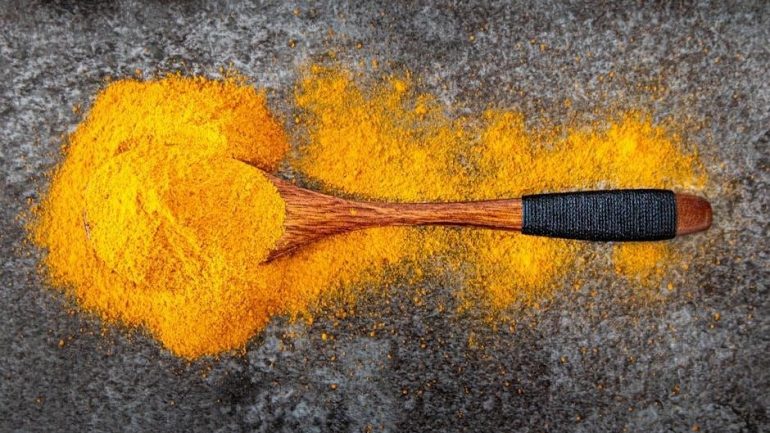
Turmeric: The Golden Spice
Turmeric, celebrated as the “golden spice,” has been a cornerstone of Ayurvedic medicine for centuries, renowned for its powerful anti-inflammatory capabilities. Its primary active compound, curcumin, is a potent antioxidant that neutralizes free radicals, protecting cells from damage and reducing inflammation throughout the body.
Beyond its antioxidant properties, curcumin modulates inflammatory pathways at a molecular level, effectively inhibiting key molecules that drive inflammation. This makes turmeric a valuable ally in managing conditions linked to chronic inflammation, such as arthritis and heart disease.
To maximize curcumin absorption, pairing turmeric with black pepper is crucial. Piperine, a compound found in black pepper, significantly enhances curcumin bioavailability, allowing the body to utilize its benefits more effectively. Incorporating turmeric into your diet – through curries, smoothies, or golden milk – can be a delicious and proactive step towards reducing inflammation and promoting overall health.
Ginger: A Natural Pain Reliever
Ginger, a widely used culinary spice, boasts remarkable anti-inflammatory and analgesic properties, making it a natural pain reliever. Compounds like gingerols and shogaols are responsible for its therapeutic effects, actively combating inflammation and reducing discomfort.
Research suggests ginger can effectively alleviate muscle soreness following intense exercise, mirroring the benefits experienced after strenuous physical activity. It achieves this by reducing inflammatory markers and promoting faster muscle recovery, making it a valuable addition to a post-workout regimen.
Beyond muscle pain, ginger has shown promise in managing osteoarthritis symptoms, reducing joint pain and improving mobility. Whether consumed fresh, powdered, or as a tea, incorporating ginger into your daily routine can offer a natural and effective approach to pain management and inflammation reduction, supporting overall well-being.
Garlic: Boosting Immune Function
Garlic, a staple in many cuisines, is renowned not only for its flavor but also for its potent immune-boosting and anti-inflammatory properties. Allicin, a key compound in garlic, is responsible for many of its health benefits, actively working to strengthen the body’s defenses.
Garlic’s anti-inflammatory effects help to modulate the immune response, reducing chronic inflammation that can contribute to various health issues. Regular consumption can support a balanced immune system, making the body more resilient against infections and illnesses.
Furthermore, garlic contains antioxidants that protect cells from damage caused by free radicals, contributing to overall health and well-being. Incorporating garlic into your diet – raw, cooked, or as a supplement – can be a simple yet effective strategy for bolstering your immune system and reducing inflammation.
Tomatoes: Lycopene’s Benefits
Tomatoes are nutritional powerhouses, celebrated for their vibrant color and, crucially, their high lycopene content – a potent antioxidant with significant anti-inflammatory properties. Lycopene is particularly effective in combating oxidative stress, a key driver of inflammation within the body.
Studies suggest that lycopene may help reduce the risk of chronic diseases linked to inflammation, such as heart disease and certain types of cancer. The bioavailability of lycopene is enhanced when tomatoes are cooked, making sauces and pastes excellent sources of this beneficial compound.
Regularly including tomatoes in your diet can contribute to a reduction in systemic inflammation, supporting overall health and well-being. Whether enjoyed fresh in salads or cooked into hearty meals, tomatoes offer a delicious and accessible way to harness the power of lycopene.
Beets: Supporting Blood Flow
Beets, often overlooked, are a remarkable source of nitrates, which the body converts into nitric oxide. Nitric oxide plays a vital role in vasodilation – the widening of blood vessels – leading to improved blood flow and reduced blood pressure. This enhanced circulation is intrinsically linked to lower inflammation.
Better blood flow ensures efficient delivery of oxygen and nutrients to tissues, aiding in recovery and reducing oxidative stress. The betalains in beets, responsible for their vibrant color, also possess potent antioxidant and anti-inflammatory properties, further contributing to their health benefits.
Incorporating beets into your diet, whether roasted, juiced, or pickled, can be a strategic move in managing inflammation and supporting cardiovascular health. They offer a natural and effective way to promote healthy blood flow and overall well-being.
Dark Chocolate: A Guilt-Free Treat (in moderation)

Good news for chocolate lovers! Dark chocolate, specifically varieties with a high cocoa content (70% or higher), offers significant anti-inflammatory benefits. This is primarily due to its rich supply of flavanols, powerful antioxidants that combat free radicals and reduce oxidative stress within the body.
Flavanols have been shown to improve blood vessel function, lower blood pressure, and even enhance insulin sensitivity – all factors contributing to reduced inflammation. However, moderation is key; excessive consumption can negate these benefits due to added sugars and fats.
Enjoying a small square or two of high-quality dark chocolate daily can be a delicious and surprisingly healthy addition to an anti-inflammatory diet. It’s a treat that supports well-being, offering a sweet path to reduced inflammation.
Foods to Avoid or Limit
Minimizing processed foods, sugary drinks, and excessive red meat intake is crucial for reducing inflammation.
These items often fuel inflammatory responses, hindering the benefits of an anti-inflammatory dietary approach.
Prioritizing whole, unprocessed foods supports optimal health and minimizes internal inflammatory triggers.
Processed Foods: Fueling the Fire
Processed foods are significant contributors to inflammation within the body, actively working against the goals of an anti-inflammatory diet. These items often contain high levels of refined carbohydrates, unhealthy fats, and artificial additives – all known inflammatory triggers.
The manufacturing processes themselves can diminish the nutritional value of foods, stripping away beneficial compounds while introducing harmful ones. Common culprits include pre-packaged snacks, fast food, sugary cereals, and processed meats. These choices often lack the vital antioxidants and nutrients found in whole, unprocessed foods.
Regular consumption of processed foods can lead to chronic inflammation, increasing the risk of various health issues. Reducing or eliminating these items from your diet is a fundamental step towards managing inflammation and promoting overall well-being. Focusing on whole, real foods is paramount for a healthier inflammatory response.
Sugary Drinks: Empty Calories, High Inflammation
Sugary drinks, including sodas, fruit juices with added sugar, and sweetened teas, are potent promoters of inflammation within the body. They deliver a rapid spike in blood sugar, triggering an inflammatory response as the body works to regulate glucose levels.
These beverages offer minimal nutritional value – essentially providing “empty calories” – while simultaneously contributing to weight gain and metabolic dysfunction. High fructose corn syrup, a common sweetener, is particularly linked to increased inflammation and liver stress.
Consistent intake of sugary drinks can exacerbate chronic inflammation, elevating the risk of conditions like heart disease, type 2 diabetes, and certain cancers. Opting for water, herbal teas, or unsweetened beverages is a crucial step in reducing inflammatory load and supporting overall health. Prioritize hydration with anti-inflammatory choices.
Red Meat: Potential Inflammatory Triggers
While not universally detrimental, high consumption of red meat – including beef, pork, and lamb – can contribute to increased inflammation in the body. This is largely due to the presence of Neu5Gc, a sugar molecule not naturally produced by humans, which triggers an immune response and subsequent inflammation.
Furthermore, the high saturated fat content in many red meat products can also promote inflammatory pathways. Cooking methods, such as grilling or frying at high temperatures, can generate advanced glycation end products (AGEs), further exacerbating inflammation.
Moderation is key; occasional consumption is unlikely to cause significant harm. However, prioritizing leaner protein sources like fish, poultry, or plant-based alternatives can help minimize inflammatory triggers and support a healthier dietary pattern. Consider reducing portion sizes and frequency.
Creating Your Printable Anti-Inflammatory Food List (PDF)
Organizing a personalized list streamlines grocery shopping and meal planning, ensuring consistent access to beneficial foods.
Tailor the list to individual needs and preferences, incorporating favorite anti-inflammatory ingredients for sustained dietary adherence.
Numerous online resources offer customizable PDF templates, simplifying the creation of a convenient, printable guide.
Organizing Your List for Easy Shopping
Effective organization transforms your anti-inflammatory food list from a simple document into a powerful shopping tool. Categorize items by grocery store sections – produce, seafood, pantry staples, and so on – to minimize backtracking and maximize efficiency. Consider color-coding or using icons to visually distinguish food groups, like berries, leafy greens, or healthy fats.
Prioritize frequently used ingredients at the top of each section, ensuring quick access to essentials. A well-structured list reduces shopping time and discourages impulse purchases of less healthy alternatives. Furthermore, grouping foods by meal type (breakfast, lunch, dinner, snacks) can inspire meal planning and promote consistent adherence to the diet.
Don’t forget to include quantities needed for your typical weekly meals, preventing last-minute trips to the store. A thoughtfully organized list empowers you to make informed choices and maintain a sustainable anti-inflammatory lifestyle.
Customizing the List to Your Needs
A truly effective anti-inflammatory food list isn’t one-size-fits-all; it’s tailored to your individual preferences and dietary requirements. Begin by identifying any allergies or intolerances and removing those foods from the list. Consider your current eating habits and gradually incorporate new items, rather than attempting a drastic overhaul.
Adjust portion sizes based on your caloric needs and activity level. If you dislike certain recommended foods, explore suitable alternatives within the same food group – for example, swapping salmon for mackerel. Add your favorite anti-inflammatory recipes directly to the list for easy meal planning.
Remember that consistency is key, so prioritize foods you genuinely enjoy. Personalizing your list ensures long-term adherence and maximizes the benefits of an anti-inflammatory diet.
Resources for Printable PDF Templates
Numerous online resources offer pre-designed, printable PDF templates for anti-inflammatory food lists, streamlining your grocery shopping and meal preparation. Websites specializing in health and wellness often provide free downloadable lists, categorized by food groups or specific dietary needs.
Canva and other graphic design platforms allow you to create fully customized lists, incorporating your preferred foods and branding. Pinterest is a valuable source for visually appealing templates, often linked to blog posts with detailed dietary information.
Simply search “printable anti-inflammatory food list PDF” to discover a wide range of options. Ensure the template is from a reputable source and aligns with current dietary recommendations. Download, print, and enjoy a more organized approach to your anti-inflammatory journey!