Rewire Your Anxious Brain: A Comprehensive Guide (Based on Current Research ⸺ 03/24/2026)
Discover practical‚ science-backed strategies to retrain your anxious brain‚ build lasting calm‚ and reclaim control over stress and worry‚ as of today’s date․
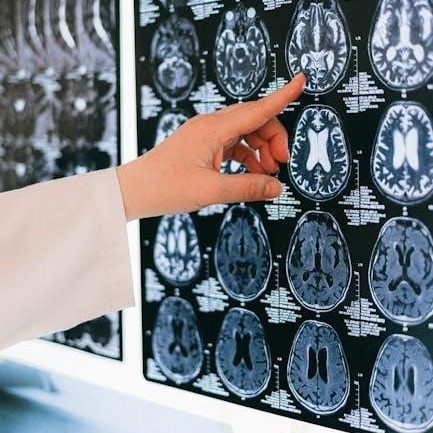
Recent NIMH research (2024) tracked brain activity in anxious children‚ offering insights into effective treatment approaches – potentially found within a PDF guide․
Understanding Anxiety & The Brain
Anxiety isn’t simply a feeling; it’s a complex interplay of neurological processes․ Understanding this foundational connection is the first step towards utilizing strategies‚ potentially detailed in a “Rewire Your Anxious Brain” PDF‚ to regain control․
The brain’s response to perceived threats triggers a cascade of physiological changes․ This system‚ while vital for survival‚ can become overactive‚ leading to chronic anxiety․ Current research‚ including a 2024 study by the National Institute of Mental Health‚ is actively mapping these neural pathways․
Specifically‚ researchers are examining how brain activity differs in individuals experiencing clinical anxiety․ This knowledge is crucial for developing targeted interventions․ A comprehensive guide‚ like the one referenced‚ likely explores these neurological underpinnings‚ offering a roadmap for understanding why we feel anxious and how to address it․ It’s about recognizing anxiety as a brain-based condition‚ not a personal failing․
Ultimately‚ grasping the brain’s role empowers us to move beyond simply managing symptoms and towards actively retraining our neural responses․
The Neuroscience of Anxiety: A Deep Dive
Delving into the neuroscience of anxiety reveals a complex network of brain regions working – and sometimes misfiring – in response to stress․ A “Rewire Your Anxious Brain” PDF likely provides a detailed exploration of these circuits‚ grounded in current research․
Key players include the amygdala‚ responsible for processing emotions like fear‚ and the prefrontal cortex‚ which regulates those emotions․ Imbalances in these areas‚ as observed in the 2024 NIMH study on children with anxiety‚ contribute to heightened anxious responses․
Neurotransmitters‚ such as serotonin and GABA‚ also play a critical role․ Their levels influence our ability to manage anxiety․ Understanding these neurochemical processes is vital for appreciating how interventions‚ potentially outlined in the guide‚ can impact brain function․
Furthermore‚ the brain’s remarkable plasticity – its ability to reorganize itself – offers hope․ By consciously engaging in specific techniques‚ we can literally rewire anxious brain patterns‚ fostering resilience and calm․
Amygdala Hijack: The Core of Anxious Responses
The “amygdala hijack‚” a term popularized in neuroscience‚ describes an overwhelming emotional response where the amygdala – the brain’s fear center – takes control‚ bypassing the rational prefrontal cortex; A “Rewire Your Anxious Brain” PDF likely dedicates significant attention to this phenomenon․
During an amygdala hijack‚ perceived threats‚ even minor ones‚ trigger a cascade of physiological changes: increased heart rate‚ rapid breathing‚ and heightened alertness․ This is an ancient survival mechanism‚ but it can be maladaptive in modern life‚ fueling chronic anxiety․
The 2024 NIMH study on anxious children likely revealed heightened amygdala activity in response to stressors․ Understanding this process is crucial for learning to interrupt the hijack before it escalates․
Techniques detailed in the guide may focus on calming the amygdala and strengthening the connection to the prefrontal cortex‚ allowing for more reasoned responses to anxiety-provoking situations․
Prefrontal Cortex & Emotional Regulation
The prefrontal cortex (PFC) is the brain’s executive control center‚ responsible for reasoning‚ planning‚ and – crucially – emotional regulation․ A “Rewire Your Anxious Brain” PDF will undoubtedly emphasize strengthening PFC function to manage anxiety effectively․
Unlike the amygdala’s rapid‚ instinctive responses‚ the PFC allows for thoughtful evaluation of situations․ It can assess whether a perceived threat is genuine or simply a misinterpretation of sensory input․ This cognitive appraisal is key to calming anxious feelings․
The 2024 NIMH research likely showed diminished PFC activity in anxious children‚ hindering their ability to regulate emotional responses․ Techniques to enhance PFC function‚ such as mindfulness and cognitive restructuring‚ are central to retraining the brain․
The guide likely provides exercises designed to build PFC resilience‚ enabling individuals to override anxious impulses and cultivate a more balanced emotional state․
Neuroplasticity: The Brain’s Ability to Change
Central to the premise of “Rewire Your Anxious Brain” – and detailed within a corresponding PDF – is the concept of neuroplasticity․ This remarkable ability of the brain to reorganize itself by forming new neural connections throughout life offers hope for overcoming anxiety․
Previously‚ it was believed the brain was fixed in adulthood․ However‚ research demonstrates that repeated thoughts‚ feelings‚ and behaviors physically alter brain structure․ This means anxiety‚ while deeply ingrained‚ isn’t immutable․
The 2024 NIMH study likely highlighted how targeted interventions can leverage neuroplasticity to strengthen pathways associated with emotional regulation and weaken those linked to fear and worry․
A PDF guide will likely outline specific exercises – mindfulness‚ CBT techniques‚ and exposure therapy – designed to stimulate neuroplastic changes‚ fostering a calmer‚ more resilient brain․

“Rewire Your Anxious Brain” ⸺ The Core Concepts

At its heart‚ the approach detailed in “Rewire Your Anxious Brain” – and comprehensively explained in its associated PDF – centers on understanding anxiety as a learned response‚ not a fixed trait․ This shifts the focus from simply managing symptoms to fundamentally changing the brain’s reaction to perceived threats․
Key to this retraining is recognizing the interplay between the amygdala (fear center) and the prefrontal cortex (reasoning center)․ The goal isn’t to suppress anxiety‚ but to strengthen the prefrontal cortex’s ability to regulate the amygdala’s responses․
The 2024 NIMH research likely informs these concepts‚ demonstrating how interventions can promote healthier neural pathways․ A PDF resource will likely break down these concepts into actionable steps․
Ultimately‚ the core concept is empowerment: you can actively reshape your brain to reduce anxiety and cultivate lasting calm‚ utilizing the techniques outlined․
Catherine Pittman’s Approach to Anxiety Retraining
Catherine Pittman’s methodology‚ thoroughly detailed in “Rewire Your Anxious Brain” and often available as a downloadable PDF‚ emphasizes a neuroplasticity-based approach․ She posits that anxiety isn’t a life sentence‚ but a pattern of neural activity that can be modified through targeted exercises․
Her work centers on increasing awareness of the body’s physiological responses to anxiety – a concept known as interoception; By learning to recognize these signals‚ individuals can interrupt the anxiety cycle before it escalates․
The 2024 NIMH study on children with anxiety likely supports Pittman’s ideas‚ showing the brain’s capacity for change․ A PDF guide based on her work will likely include practical techniques like mindful awareness and deep breathing․
Pittman’s approach isn’t about eliminating fear‚ but about teaching the brain to accurately assess threats and respond proportionally‚ fostering a sense of control․
The Role of Interoception in Anxiety
Interoception‚ the ability to perceive internal bodily sensations‚ plays a crucial role in the anxiety cycle․ Often highlighted in resources like the “Rewire Your Anxious Brain” PDF‚ it’s the foundation for understanding and managing anxious responses․
Anxiety frequently manifests as physical symptoms – racing heart‚ shallow breathing‚ muscle tension․ Individuals with heightened anxiety often exhibit decreased interoceptive accuracy‚ misinterpreting these sensations as dangerous․
Catherine Pittman’s work emphasizes cultivating interoceptive awareness․ By accurately recognizing these internal signals‚ individuals can differentiate between genuine threats and anxiety-driven false alarms․
The 2024 NIMH study on anxious children likely revealed neurological correlates of interoceptive deficits․ A PDF guide based on retraining principles will likely include exercises to improve this crucial skill‚ promoting emotional regulation and reducing reactivity․
Identifying Your Anxiety Triggers
A core component of “rewiring” your anxious brain‚ detailed in resources like the “Rewire Your Anxious Brain” PDF‚ is pinpointing specific triggers․ These are the external events‚ internal thoughts‚ or physical sensations that initiate the anxiety response․
Triggers aren’t inherently negative; they’re simply cues the brain associates with perceived threat․ Recognizing these cues is the first step towards interrupting the anxiety cycle․ Common triggers include social situations‚ performance pressures‚ or even specific locations․
The 2024 NIMH study likely identified patterns in environmental stimuli that correlated with increased anxiety in children․ A PDF guide will often include journaling prompts and self-assessment tools to help individuals map their personal trigger landscape․
Understanding your triggers allows for proactive coping strategies‚ minimizing reactivity and fostering a sense of control․ This process is fundamental to retraining the brain‚ as highlighted by Catherine Pittman’s approach․
Understanding the Vagus Nerve & Its Connection to Anxiety
The vagus nerve‚ often described in resources like the “Rewire Your Anxious Brain” PDF‚ plays a crucial role in regulating the body’s stress response․ As a key component of the parasympathetic nervous system‚ it’s responsible for the “rest and digest” functions‚ counteracting the “fight or flight” response․
Anxiety often involves vagal nerve dysfunction – reduced tone or reactivity․ This can manifest as difficulty calming down after stressful events‚ or a heightened sensitivity to anxiety triggers․ Improving vagal tone is therefore a central strategy in anxiety retraining․
Techniques like deep breathing and mindfulness‚ detailed within the PDF‚ directly stimulate the vagus nerve‚ promoting relaxation and reducing physiological arousal․ The 2024 NIMH study may have observed correlations between vagal nerve activity and anxiety levels in children․
Strengthening the vagus nerve isn’t about eliminating anxiety entirely‚ but about enhancing the body’s natural capacity to regulate emotions and return to a state of calm․
Practical Techniques for Brain Rewiring

The “Rewire Your Anxious Brain” PDF outlines several actionable techniques for fostering neuroplasticity – the brain’s ability to reorganize itself․ These aren’t quick fixes‚ but consistent practices that gradually reshape neural pathways․
Core to this process is recognizing and interrupting anxious thought patterns․ Cognitive restructuring‚ as detailed in the PDF‚ involves challenging negative thoughts and replacing them with more balanced perspectives․ Behavioral experiments‚ testing anxious predictions‚ are also vital․
Furthermore‚ the PDF emphasizes the importance of physiological regulation․ Techniques like deep breathing‚ progressive muscle relaxation‚ and mindfulness meditation directly impact brain activity‚ strengthening the prefrontal cortex’s control over the amygdala․
The 2024 NIMH study likely highlighted the brain changes associated with these interventions․ Consistent application of these techniques‚ as guided by the PDF‚ is key to lasting change․
Mindfulness Meditation for Anxiety Reduction
The “Rewire Your Anxious Brain” PDF champions mindfulness meditation as a cornerstone technique for anxiety reduction‚ directly impacting brain circuitry․ It’s not about eliminating thoughts‚ but observing them without judgment – a skill cultivated through consistent practice․
Regular meditation strengthens the prefrontal cortex‚ enhancing emotional regulation and diminishing the amygdala’s reactivity․ The PDF likely details guided meditations specifically designed to address anxious thought patterns and physiological arousal․

NIMH’s 2024 research on anxious children likely demonstrated measurable brain changes correlating with mindfulness practice․ This technique fosters interoception – awareness of internal bodily sensations – crucial for recognizing and managing anxiety’s physical manifestations․
The PDF emphasizes starting small‚ perhaps with five minutes daily‚ gradually increasing duration․ Mindfulness isn’t a cure-all‚ but a powerful tool for rewiring the brain and cultivating inner calm․
Deep Breathing Exercises & Physiological Regulation
The “Rewire Your Anxious Brain” PDF highlights deep breathing as a readily accessible method for physiological regulation‚ directly counteracting the body’s stress response․ Anxious states trigger shallow‚ rapid breathing; deliberate‚ slow breaths signal safety to the nervous system․
Techniques like diaphragmatic breathing – engaging the belly rather than the chest – activate the parasympathetic nervous system‚ reducing heart rate and blood pressure․ The PDF likely provides step-by-step instructions for various breathing exercises․
This aligns with NIMH’s 2024 findings on brain activity during anxiety‚ demonstrating how physiological changes impact neural pathways․ Consistent practice strengthens the vagus nerve‚ enhancing the body’s ability to self-soothe․
The PDF emphasizes integrating these exercises into daily routines‚ using them proactively to manage anxiety triggers and reactively during moments of heightened stress․ It’s a foundational skill for brain rewiring․
Progressive Muscle Relaxation (PMR) Techniques
The “Rewire Your Anxious Brain” PDF details Progressive Muscle Relaxation (PMR) as a powerful technique for reducing physical tension associated with anxiety․ PMR involves systematically tensing and releasing different muscle groups throughout the body․
This process heightens awareness of the difference between tension and relaxation‚ allowing individuals to consciously release held stress․ The PDF likely offers a guided script‚ leading users through each muscle group – from hands to face․

Consistent practice‚ as advocated in the PDF‚ helps to break the cycle of muscle tension that often fuels anxious thoughts and feelings․ It complements the NIMH’s 2024 research by directly influencing the body’s physiological response to stress․
By regularly practicing PMR‚ individuals can train their brains to associate relaxation with specific sensations‚ fostering a sense of calm and control․ It’s a key component of anxiety retraining․
Exposure Therapy: Facing Fears Systematically
The “Rewire Your Anxious Brain” PDF emphasizes exposure therapy as a core strategy for overcoming anxiety by confronting feared stimuli in a controlled manner․ This isn’t about sudden‚ overwhelming exposure‚ but a gradual‚ systematic process․
The PDF likely outlines creating a “fear hierarchy‚” listing anxieties from least to most distressing․ Individuals then begin with the mildest fear‚ repeatedly exposing themselves until anxiety diminishes․
This repeated exposure‚ as the PDF explains‚ helps the brain learn that the feared stimulus isn’t actually dangerous‚ effectively “rewiring” anxious pathways․ It aligns with the NIMH’s 2024 findings on brain activity changes during treatment;
Crucially‚ the PDF stresses the importance of remaining in the situation until anxiety decreases‚ preventing avoidance which reinforces fear․ It’s a challenging but highly effective technique for lasting change․
Cognitive Behavioral Therapy (CBT) & Brain Changes
The “Rewire Your Anxious Brain” PDF highlights Cognitive Behavioral Therapy (CBT) as a cornerstone of anxiety treatment‚ directly impacting brain function․ CBT isn’t just talk therapy; it actively reshapes thought patterns and behaviors contributing to anxiety․
The PDF likely details how CBT techniques‚ like cognitive restructuring‚ help identify and challenge negative thought patterns․ This process‚ repeated consistently‚ leads to demonstrable changes in brain activity‚ as evidenced by the 2024 NIMH study․
Specifically‚ the PDF probably explains how CBT strengthens the prefrontal cortex – the brain region responsible for emotional regulation – while simultaneously reducing amygdala reactivity‚ lessening the “anxiety response”․
This neuroplasticity‚ the brain’s ability to reorganize itself‚ is central to the PDF’s approach․ CBT provides the tools to actively “rewire” anxious brain circuits‚ fostering lasting calm and resilience․
Challenging Anxious Thoughts: Cognitive Restructuring
The “Rewire Your Anxious Brain” PDF emphasizes cognitive restructuring as a vital skill for managing anxiety․ This technique‚ central to CBT‚ involves identifying and actively challenging unhelpful thought patterns fueling anxious feelings․
The PDF likely guides readers through recognizing common cognitive distortions – such as catastrophizing or all-or-nothing thinking – that amplify anxiety․ It then presents methods for evaluating the evidence supporting these thoughts․
A key component‚ detailed in the PDF‚ is questioning the probability of feared outcomes․ By realistically assessing risks‚ individuals can diminish the power of anxious predictions and reduce emotional distress․
Furthermore‚ the PDF probably illustrates how to replace negative thoughts with more balanced and realistic alternatives‚ fostering a more adaptive mindset․ This process‚ repeated consistently‚ contributes to lasting brain changes‚ as supported by recent NIMH research․
Behavioral Experiments: Testing Anxious Predictions
The “Rewire Your Anxious Brain” PDF introduces behavioral experiments as a powerful method to directly challenge anxious beliefs․ These aren’t about seeking reassurance‚ but about gathering real-world evidence․

The PDF likely explains how to formulate specific‚ testable predictions based on anxious thoughts․ For example‚ if someone fears public speaking will lead to humiliation‚ an experiment might involve giving a short presentation to a small‚ supportive group․
Crucially‚ the PDF emphasizes observing the actual outcome‚ rather than relying on subjective interpretations․ Did humiliation actually occur? What was the objective response from the audience?
By systematically testing anxious predictions‚ individuals can disprove unhelpful beliefs and build confidence․ This process‚ detailed in the PDF‚ leverages neuroplasticity‚ creating new neural pathways that support calmer responses‚ aligning with NIMH’s findings on brain activity changes during treatment․
The Importance of Habit Formation
The “Rewire Your Anxious Brain” PDF underscores that lasting change isn’t about willpower‚ but about building new habits․ Repeatedly practicing techniques like deep breathing or mindfulness strengthens neural pathways‚ making calm responses more automatic․
The PDF likely details strategies for habit stacking – linking new‚ beneficial behaviors to existing routines․ For instance‚ performing a short mindfulness exercise immediately after brushing your teeth․
Consistent repetition is key‚ even when anxiety is low․ This reinforces the new neural connections‚ preparing you to utilize these skills when facing triggers․ The PDF probably advocates for small‚ achievable steps to avoid overwhelm․
This habit-based approach aligns with the neuroplasticity principles discussed throughout the PDF‚ and supported by NIMH research showing brain changes with consistent therapeutic intervention‚ ultimately solidifying a calmer‚ more resilient brain․
Lifestyle Factors Supporting Brain Health
The “Rewire Your Anxious Brain” PDF emphasizes that brain rewiring isn’t solely about techniques; lifestyle profoundly impacts neurological function․ Optimal brain health provides a stronger foundation for anxiety retraining․
The PDF likely details the crucial role of sleep‚ highlighting how sleep deprivation exacerbates anxiety and hinders neuroplasticity․ Prioritizing 7-9 hours of quality sleep is paramount․
Nutrition is also key․ The PDF probably recommends a diet rich in omega-3 fatty acids‚ antioxidants‚ and magnesium‚ while limiting processed foods‚ sugar‚ and excessive caffeine․
Regular exercise‚ as the PDF likely explains‚ isn’t just for physical health; it boosts mood-regulating neurotransmitters and reduces stress hormones․ Social connection‚ supported by NIMH findings on wellbeing‚ is equally vital for emotional resilience․
The Impact of Sleep on Anxiety Levels
The “Rewire Your Anxious Brain” PDF dedicates significant attention to the bidirectional relationship between sleep and anxiety․ Insufficient or poor-quality sleep doesn’t merely accompany anxiety; it actively fuels it‚ creating a vicious cycle․
The PDF likely explains how sleep deprivation impairs the prefrontal cortex’s ability to regulate the amygdala‚ leading to heightened reactivity to perceived threats․ This disruption hinders emotional control․
Furthermore‚ the PDF probably details how sleep is crucial for memory consolidation‚ including the processing of emotional experiences․ Disrupted sleep can lead to the over-consolidation of negative memories‚ intensifying anxious thoughts․
NIMH research (referenced in the guide) supports this‚ showing altered brain activity in sleep-deprived individuals․ Prioritizing sleep hygiene – a consistent sleep schedule‚ a relaxing bedtime routine‚ and a sleep-conducive environment – is therefore foundational to anxiety retraining․
Nutrition & Anxiety: Foods to Include & Avoid
The “Rewire Your Anxious Brain” PDF emphasizes that nutrition isn’t a standalone cure‚ but a powerful modulator of anxiety symptoms․ It likely details how gut health profoundly impacts brain function‚ influencing mood and stress responses․
The PDF probably advocates for a diet rich in whole‚ unprocessed foods – fruits‚ vegetables‚ lean proteins‚ and healthy fats – to nourish the brain and support neurotransmitter production․ Specific nutrients like magnesium and omega-3 fatty acids are likely highlighted․
Conversely‚ the PDF likely advises limiting processed foods‚ sugary drinks‚ and excessive caffeine‚ as these can exacerbate anxiety by causing blood sugar fluctuations and stimulating the nervous system․
Drawing on current research‚ the guide probably explains how inflammation impacts anxiety levels․ An anti-inflammatory diet‚ as detailed in the PDF‚ can therefore be a valuable component of brain retraining‚ complementing other therapeutic techniques․
Exercise & Its Anxiolytic Effects
The “Rewire Your Anxious Brain” PDF likely underscores exercise as a potent‚ natural anxiolytic – a substance that reduces anxiety․ It probably explains how physical activity isn’t just about physical health‚ but a crucial component of neurological wellbeing․
The PDF likely details how exercise stimulates the release of endorphins‚ natural mood boosters‚ and reduces levels of stress hormones like cortisol․ Regular physical activity can also improve sleep quality‚ further mitigating anxiety symptoms․
It probably suggests incorporating a variety of exercises – cardio‚ strength training‚ and even yoga – to maximize benefits․ The PDF may emphasize finding activities you enjoy to promote consistency․
Based on current research‚ the guide likely explains how exercise promotes neuroplasticity‚ the brain’s ability to reorganize itself by forming new neural connections‚ aiding in the “rewiring” process described within the PDF itself․
Social Connection & Emotional Wellbeing
The “Rewire Your Anxious Brain” PDF almost certainly highlights the critical role of social connection in fostering emotional wellbeing and reducing anxiety․ It likely explains that humans are inherently social creatures‚ and isolation can exacerbate anxious feelings․
The PDF probably details how positive social interactions release oxytocin‚ often called the “bonding hormone‚” which counteracts the effects of cortisol and promotes feelings of calm and security․ Strong social support networks act as buffers against stress․
It may suggest actively nurturing relationships‚ joining groups with shared interests‚ or volunteering as ways to enhance social connection․ The PDF likely emphasizes quality over quantity in relationships․
Drawing on current research‚ the guide probably explains how social interaction stimulates brain regions involved in emotional regulation‚ contributing to the neuroplastic changes necessary for “rewiring” an anxious brain‚ as detailed within the PDF․
Resources & Further Exploration
For those seeking to delve deeper into the concepts presented in “Rewire Your Anxious Brain‚” a comprehensive PDF version serves as an excellent starting point․ Beyond the book itself‚ numerous resources can support your journey․
The National Institute of Mental Health (NIMH) website (nimh․nih․gov) offers up-to-date research findings on anxiety disorders‚ including insights from their 2024 study on childhood anxiety‚ potentially referenced in the PDF․
Online support groups‚ such as those found on the Anxiety & Depression Association of America (ADAA) website (adaa․org)‚ provide a safe space to connect with others and share experiences․ Many free worksheets and articles are available․
Consider exploring podcasts and webinars focused on mindfulness‚ CBT‚ and neuroplasticity․ The “Rewire Your Anxious Brain” PDF may contain a curated list of recommended materials for continued learning and self-help․
Recommended Reading: Beyond “Rewire Your Anxious Brain”
While “Rewire Your Anxious Brain” provides a strong foundation‚ expanding your knowledge base can significantly enhance your understanding and progress․ A readily available PDF version offers convenient access to core principles․
Consider “The Body Keeps the Score” by Bessel van der Kolk‚ which explores the impact of trauma on the brain and body‚ complementing the neuroplasticity concepts within the PDF․ “Feeling Good” by David Burns offers a practical guide to Cognitive Behavioral Therapy (CBT)․
For a deeper dive into the vagus nerve‚ explore “Polyvagal Vagal Theory in Therapy” by Deb Dana․ Understanding the connection between the vagus nerve and anxiety‚ as potentially highlighted in the PDF‚ is crucial;
Supplement these with books on mindfulness and meditation‚ such as “Wherever You Go‚ There You Are” by Jon Kabat-Zinn․ These resources‚ alongside the “Rewire Your Anxious Brain” PDF‚ create a holistic learning experience․
Online Resources & Support Groups
Beyond the insights gained from a “Rewire Your Anxious Brain” PDF‚ numerous online platforms offer support and further learning․ The Anxiety & Depression Association of America (ADAA) website (adaa․org) provides articles‚ webinars‚ and a directory of therapists․
Explore online support groups through platforms like Meetup․com‚ searching for anxiety-focused groups․ These communities offer a safe space to share experiences and learn from others implementing similar brain retraining techniques‚ often referencing the PDF’s principles․

Consider utilizing apps like Calm or Headspace for guided meditation and mindfulness exercises‚ reinforcing concepts from the PDF․ The National Alliance on Mental Illness (NAMI) (nami․org) also offers online resources and support․
Remember to verify the credentials of any online therapist or resource․ Combining the structured learning of a “Rewire Your Anxious Brain” PDF with these interactive platforms can accelerate your progress․
The National Institute of Mental Health (NIMH) Research on Anxiety (2024 Study)
A pivotal 2024 study by the National Institute of Mental Health (NIMH) investigated brain activity in children diagnosed with clinical anxiety․ Researchers utilized brain scans before treatment initiation‚ revealing distinct neural patterns associated with anxious responses․

The findings highlighted differences in amygdala activity and prefrontal cortex connectivity‚ areas central to the concepts detailed in resources like a “Rewire Your Anxious Brain” PDF․ Specifically‚ reduced prefrontal control over the amygdala was observed․
This research supports the neuroplasticity principles emphasized in anxiety retraining programs‚ suggesting the brain can be rewired․ The study’s implications reinforce the efficacy of techniques outlined in the PDF‚ aiming to strengthen prefrontal regulation․
Further analysis focused on identifying biomarkers predictive of treatment response‚ potentially personalizing anxiety interventions based on individual brain profiles – a future direction informed by this study and related resources․
Future Directions in Anxiety Treatment & Brain Research (Post-2025)
Post-2025‚ anxiety treatment is poised for significant advancements‚ building upon the neuroplasticity principles detailed in resources like a “Rewire Your Anxious Brain” PDF․ Research will likely focus on personalized interventions‚ utilizing biomarkers identified by the 2024 NIMH study․
Expect increased integration of neurofeedback and brain stimulation techniques‚ aiming to directly modulate amygdala and prefrontal cortex activity․ Digital therapeutics‚ including app-based anxiety retraining programs mirroring PDF content‚ will become more prevalent․
Furthermore‚ investigations into the gut-brain axis and its impact on anxiety are anticipated‚ potentially leading to novel nutritional and probiotic-based therapies․ The role of the vagus nerve in regulating anxious responses will also receive greater attention․
Ultimately‚ the goal is to develop more targeted and effective treatments‚ empowering individuals to “rewire” their anxious brains and achieve lasting emotional wellbeing‚ informed by ongoing research and accessible resources․