Age Group Swim Workouts Overview
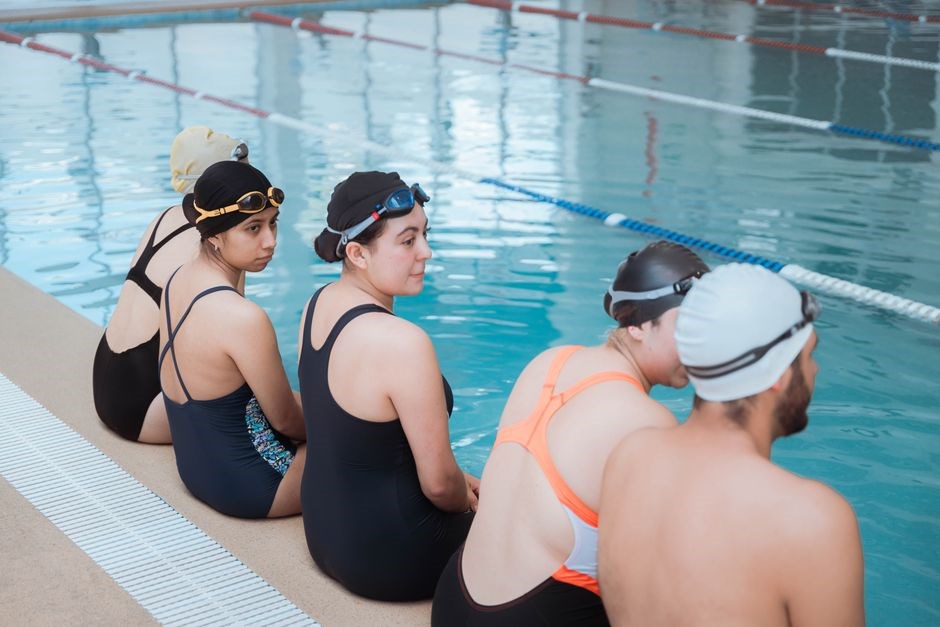
Age‑group swimmers thrive on structured PDFs that prioritize skill over yardage. A goal‑based seasonal plan guides weekly workouts, blending drills, technique, and endurance. Coaches and athletes download ready‑made plans, ensuring balanced growth and measurable progress.Here! and measurable gains.
Definition and Purpose
Age‑group swim workouts PDFs are digital blueprints designed for competitive swimmers aged 10‑18. They translate season‑long objectives into concrete daily sessions, balancing technique drills, aerobic conditioning. Purpose: first, to provide a reproducible framework that coaches can adapt to individual athlete needs; second, to ensure swimmers progress through measurable milestones while maintaining engagement. These PDFs typically include warm‑ups, main sets, cool‑downs, and targeted drills such as thoracic rotations, streamline work, and anti‑rotation exercises. By focusing on skill acquisition rather than raw yardage, the plans foster efficient stroke mechanics, improved core control, and better race‑day performance. Coaches use the structured format to track weekly mileage, adjust intensity, and plan periodization, while swimmers benefit from clear expectations and a sense of progression toward senior‑level competition.
In addition, the PDF format allows instant updates, version control, and easy distribution via email or cloud platforms. Swimmers can review the plan on tablets or smartphones, ensuring consistency even during travel or off‑season training. Coaches can annotate directly in the PDF, marking progress or noting adjustments for the next session. This digital workflow supports data‑driven coaching, where lap times and split analyses are integrated into the plan, reinforcing a culture of continuous improvement.
Ultimately, age‑group swim workouts PDFs serve as a bridge between raw talent and elite performance. By embedding evidence‑based drills, periodized volume, and clear progression markers, these documents empower young athletes to build confidence, resilience, and a lifelong love for swimming.
Such plans empower swimmers to develop confidence, resilience, and a love for the sport that endures beyond the pool in every season!!
Common Age Ranges Covered
Age‑group swim PDFs cater to a spectrum of developmental stages, typically segmented into three primary brackets: early‑adolescent (ages 10‑12), mid‑adolescent (ages 13‑15), and late‑adolescent (ages 16‑18). Each bracket reflects physiological milestones, training tolerance, and competitive goals. Early‑adolescents focus on foundational technique, coordination, and aerobic base, with workouts emphasizing short, high‑quality bursts and core stability drills. Mid‑adolescents transition to increased volume, incorporating interval work, race‑specific pacing, and advanced stroke mechanics such as thoracic rotation and anti‑rotation drills. Late‑adolescents, approaching senior competition, prioritize speed endurance, race‑simulation sets, and fine‑tuned technical refinement. Coaches often blend these brackets within a single program, tailoring sets to individual maturation and performance metrics. The PDFs provide templates that can be scaled up or down, ensuring that swimmers at any age receive appropriate stimulus while maintaining safety and progression. This age‑specific approach aligns with evidence‑based periodization models, supporting long‑term athlete development and reducing injury risk.
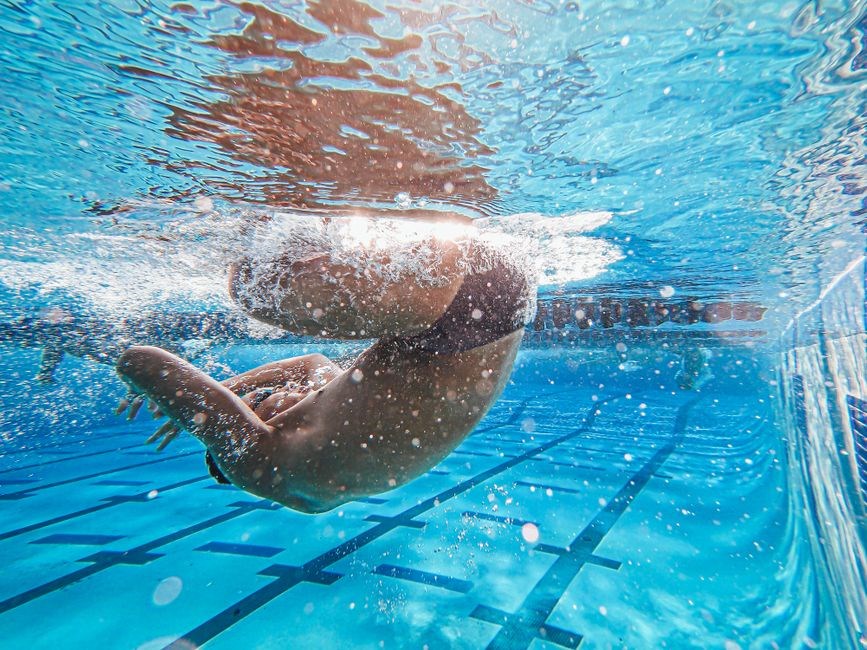
By using these PDFs, coaches provide weekly mileage, set structure, and skill focus, while parents and teammates can monitor progress via shared documents. The standardized format promotes consistency across teams, enabling regional meets to compare training loads and identify best practices for injury prevention and performance.
Structured PDFs give age‑group swimmers a clear framework that translates complex coaching concepts into actionable daily plans. By breaking training into defined blocks—warm‑up, technique, volume, cool‑down—coaches can ensure balanced exposure to aerobic, anaerobic, and skill work while keeping total yardage within safe limits. The visual layout of sets, distances, and intervals reduces ambiguity, allowing swimmers to self‑manage pacing and focus on form rather than guessing how many laps to complete. Consistency in structure supports periodization: coaches layer macro‑cycles, meso‑cycles, and micro‑cycles into a single document, making it easier to track progression and prevent over‑training. Moreover, PDFs are portable and shareable; a single file can be emailed to athletes, parents, and assistant coaches, ensuring everyone has the same reference and reducing miscommunication. The ability to annotate PDFs with color‑coded notes or check‑boxes adds an interactive dimension, enabling swimmers to mark sets and reflect on performance. Finally, the standardization of terminology and drill descriptions across PDFs fosters a common coaching language, which is especially valuable in multi‑team or regional settings where athletes may train with different coaches but follow the same program. In short, structured PDFs streamline planning, enhance transparency, promote safety, and create a cohesive training culture that accelerates skill acquisition and performance gains for age‑group swimmers. This structured approach also aligns with national coaching standards, ensuring that every swimmer receives a scientifically grounded regimen that balances intensity, recovery, and skill refinement fast.
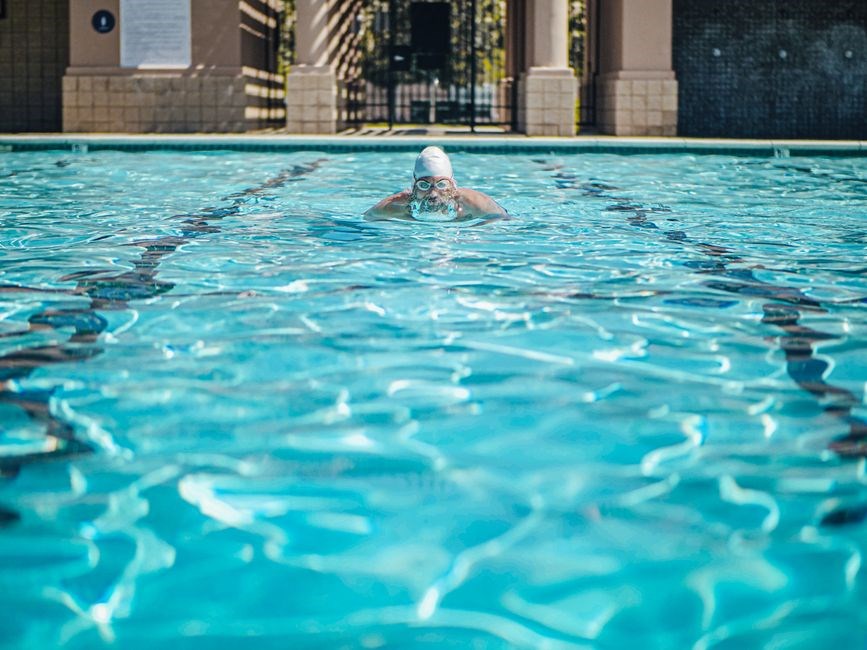
Designing Effective Workout Plans
Age‑group PDFs streamline plan creation by aligning goals, yardage, and skill drills. Coaches set clear objectives, break sessions into warm‑up, technique, volume, and cool‑down, then adjust intensity per swimmer. This structure boosts focus, safety, and measurable progress. for all ages. and growth.
Goal-Based Seasonal Planning
Goal-based seasonal planning is the cornerstone of age‑group swim workouts PDFs. Coaches begin by defining long‑term objectives—such as improving freestyle efficiency, building aerobic base, or preparing for a championship meet. Each season is broken into macro‑cycles, meso‑cycles, and micro‑cycles, with clear benchmarks for yardage, technique, and race times. The PDF format allows easy updates: a weekly sheet can be printed or shared digitally, ensuring every swimmer sees the same structure. By focusing on skill milestones rather than raw yardage, athletes develop proper form early, reducing injury risk and accelerating performance gains. Coaches use data from past seasons to calibrate intensity, incorporating periodized intervals that peak at key competitions. The plan also allocates time for recovery, strength training, and mental conditioning, creating a holistic approach that aligns with the developmental needs of 10‑ to 18‑year‑olds. Regular reviews—every two weeks—enable adjustments based on progress, fatigue, or injury. This dynamic, goal‑driven model keeps swimmers motivated, coaches organized, and the entire program aligned toward measurable success. Coaches also integrate strength and mobility sessions, ensuring swimmers build resilience and reduce injury risk. Periodic performance testing and video analysis help refine technique, while nutrition guidance supports recovery and energy levels. Finally, a culture of feedback and continuous improvement keeps the program dynamic and responsive to each swimmer’s growth trajectory
Components of a Workout
Age‑group swim workouts PDFs break each session into distinct, purpose‑driven segments. A typical plan begins with a warm‑up that blends light aerobic work, dynamic mobility, and low‑intensity drills to raise core temperature and activate stroke mechanics. Next, a skill‑drill block focuses on thoracic rotation, streamline, and anti‑rotation exercises, often delivered through short, high‑repetition sets that reinforce proper body positioning. The main set is the heart of the session: it combines distance, speed, and technique work in a periodized structure—intervals, tempo swims, or race‑simulation sets—tailored to the swimmer’s current level and the season’s goals. Coaches embed core‑control and body‑weight suppleness work within or after the main set, using body‑weight drills that translate to improved stroke efficiency. A cool‑down follows, featuring low‑intensity swimming, static stretches, and recovery drills to promote circulation and reduce muscle soreness. Finally, the PDF includes optional strength and conditioning cues, such as resistance band work or plyometric exercises, that complement the pool training. Each component is clearly labeled, with recommended yardage, intensity, and progression notes, enabling coaches to adjust on the fly while maintaining a cohesive, goal‑oriented structure that drives measurable improvement across all age‑group levels. This structured plan balances training daily volume with technique refinement, fostering confidence and competitive edge. Recovery tips are embedded!
Balancing Yardage with Skill Development
Balancing yardage with skill development is the cornerstone of age‑group swim workouts PDFs. Rather than simply piling miles, coaches embed skill drills within every yardage block, ensuring that each stroke, turn, and kick is practiced under realistic training loads. A typical session might start with a 200‑meter warm‑up, followed by a 400‑meter skill block that includes thoracic rotation, streamline, and anti‑rotation drills, each set repeated at a moderate pace. The main set then escalates to 800‑meter intervals that blend speed work with technique cues, allowing swimmers to feel the rhythm of efficient propulsion while still covering distance. After the main set, a 200‑meter cool‑down focuses on body‑weight suppleness and core control, reinforcing the lessons from the earlier drills. Coaches use the PDF’s color‑coded sections to signal when to shift focus from volume to technique, ensuring that athletes do not become “mile‑minded.” By aligning yardage goals with specific skill metrics—such as stroke count per 100 meters or turn time—coaches can track progress in both areas simultaneously. This integrated approach not only prevents overtraining but also builds a solid technical foundation that supports long‑term performance gains. The PDF format allows for easy adjustment of yardage based on individual readiness, making it a flexible tool for all age‑group swimmers. Coaches can tweak yardage daily, ensuring each swimmer’s load matches recovery and goals now!!.
Sample Workout PDFs for Different Skill Levels
Age‑group PDFs offer tailored plans for beginners, intermediates, and advanced swimmers. Each document balances yardage, drills, and technique cues, giving coaches and athletes a ready‑made, downloadable roadmap that scales with skill level and season goals. Includes warm‑ups, drills, and race sets.
Beginner 60-Minute Plan
Designed for ages 10‑12, the 60‑minute beginner PDF starts with a 5‑minute dynamic warm‑up: arm circles, shoulder rolls, and light treading. Next, 4×50 m freestyle with 20 s rest, focusing on long, relaxed strokes and a 1‑to‑2 breathing rhythm. A 4‑minute core circuit follows—plank, side plank, and bird‑dog—enhancing stability. The main set is 6×25 m drills: 2× sculling, 2× catch‑up, 2× fingertip drag, each spaced 15 s apart, reinforcing technique over speed. A 3‑minute kick session on the board (2×25 m flutter, 2×25 m dolphin) builds leg power. Cool‑down: 4×50 m easy freestyle with emphasis on long, smooth pulls, finishing with a 2‑minute stretch on the poolside. Total yardage stays under 800 m, ensuring manageable volume while embedding key skills. PDF includes visual cues, breathing diagrams, and a progress tracker for coaches to log improvements.
The PDF also offers a section on mental focus, encouraging swimmers to visualize each stroke and maintain a steady rhythm. A short warm‑up routine of 3×25 m kick with a 10‑second rest between each set primes the legs; After the main drills, a 2‑minute sprint set of 4×25 m at race pace helps develop speed. The cool‑down includes 2×50 m easy backstroke to relax the shoulders. Coaches can adjust the rest intervals to match the swimmer’s conditioning level. The downloadable file contains printable worksheets for tracking weekly mileage and skill milestones.
Additionally, the PDF recommends a stretching routine focusing on the shoulders and hips, recovery daily now
Intermediate Freestyle Routine
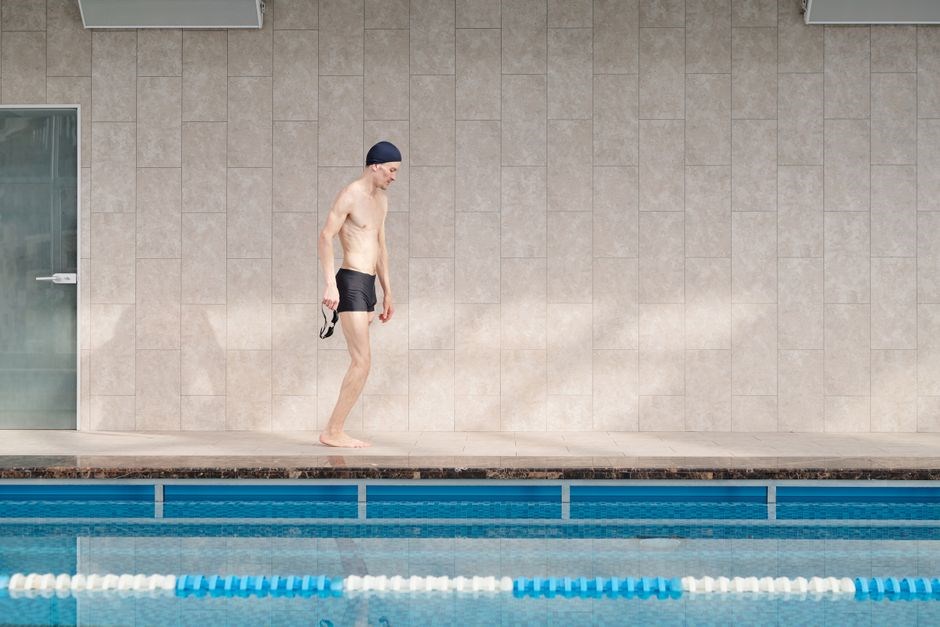
For 13‑15‑year‑old swimmers, the 60‑minute PDF balances yardage with technique. Begin with a 5‑minute dynamic warm‑up: 2×25 m freestyle with 10 s rest, 2×25 m backstroke, 2×25 m breaststroke, focusing on long, relaxed pulls. Follow with a 4‑minute core circuit—plank, side plank, and bird‑dog—each held for 30 s, to build stability.
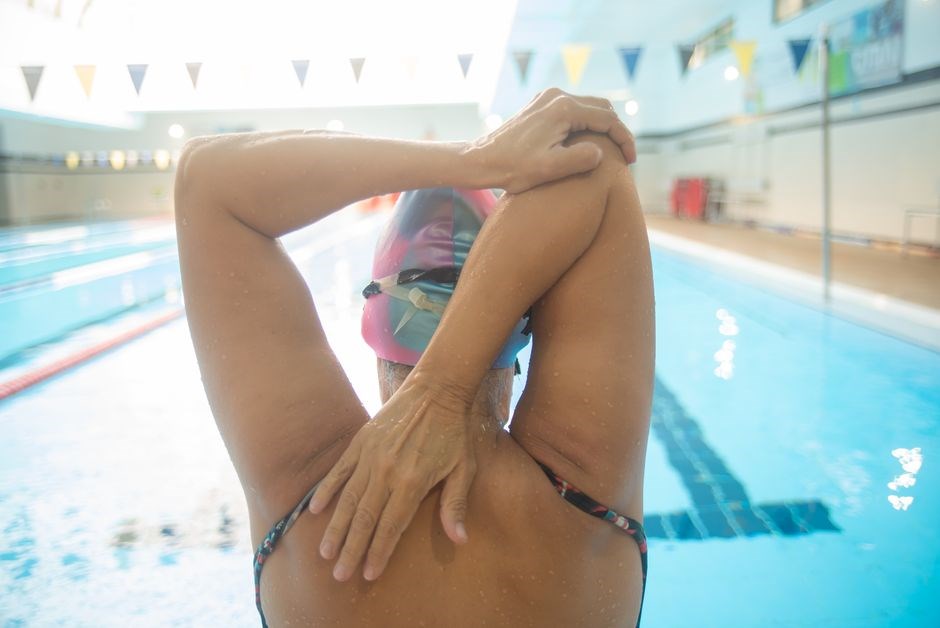
The main set consists of 8×50 m freestyle at 80 % effort, 20 s rest, emphasizing a 1‑to‑2 breathing pattern and a strong catch. Insert 4×25 m drill blocks: 2×25 m sculling, 2×25 m fingertip drag, each spaced 15 s apart, to reinforce stroke mechanics. Add a 4‑minute kick session: 2×25 m flutter, 2×25 m dolphin, using a kickboard for focus on leg drive.
Finish with a 3‑minute sprint series: 4×25 m freestyle at race pace, 15 s rest, to develop speed. Cool‑down: 4×50 m easy freestyle, 20 s rest, focusing on long, smooth pulls, and a 2‑minute stretch on the poolside. The PDF includes visual diagrams, breathing cues, and a progress log for coaches to track yardage and technique improvements.
Coaches should monitor heart rate zones and ensure proper hydration. Swimmers benefit from breathing drills, such as bilateral breathing and rhythm drills, to boost aerobic capacity. Video analysis helps correct technique, focusing on body alignment, hand entry, and kick timing. Periodic testing, like 200‑m time trials, tracks progress and adjusts training loads. Celebrate milestones to keep motivation high. Keep training consistent for best results.!
Advanced Endurance Sessions
Advanced endurance sessions for 16‑18‑year‑old age‑group swimmers are designed to push aerobic limits while preserving technique. A 90‑minute PDF plan starts with a 10‑minute dynamic warm‑up: 4×50 m freestyle at 70 % effort, 2×25 m backstroke, 2×25 m breaststroke, each with 15 s rest; The main set is a 2000‑yard block broken into 8×250 m freestyle, 20 s rest, emphasizing a steady 1‑to‑2 breathing rhythm and a 12‑stroke count per length. Between each 250 m, a 25 m drill—sculling, fingertip drag, or catch‑up—is inserted to reinforce stroke mechanics.
Following the main block, a 15‑minute kick session uses a board: 4×50 m flutter, 4×50 m dolphin, 4×50 m alternating, each with 10 s rest, to build leg endurance. A 5‑minute core circuit—plank, side plank, and hollow hold—each held for 30 s, strengthens the core for long turns. The cool‑down consists of 4×50 m easy freestyle, 20 s rest, focusing on relaxed pull and long, efficient strokes.
Key training elements include pacing drills, such as 4×200 m at 80 % effort with 30 s rest, and interval training, like 10×100 m at race pace with 15 s rest. Coaches should monitor heart rate zones, ensuring swimmers stay in the aerobic zone (70‑80 % HRmax) for the majority of the session. Video analysis of the 2000‑yard block helps identify drag points, while breathing logs track oxygen uptake. The PDF also offers a progress tracker, allowing swimmers to log times and perceived exertion for continuous improvement. Consistency, recovery, and nutrition are emphasized to support high‑volume training and prevent overuse injuries. Regular assessment of technique ensures training effectiveness. Incorporating recovery protocols and nutrition guidance further supports sustainable performance gains. Now!!
Key Training Elements and Drills
Core drills focus on thoracic mobility, streamline, anti‑rotation, and sculling. Body‑weight suppleness and core control build stability. Stroke variety drills sharpen technique, while endurance sets boost aerobic capacity. Progress tracking daily technique no
Thoracic, Streamline, and Anti‑Rotation Exercises
Age‑group swimmers benefit from targeted thoracic mobility, streamlined posture, and anti‑rotation work that translate directly to pool performance. PDF plans often begin with land‑based drills: stand with your back and buttocks pressed against a wall, feet slightly forward, and perform controlled thoracic rotations to loosen the spine. Follow with a series of anti‑rotation holds, engaging the obliques while keeping the torso stable, which reduces lateral strain during freestyle pulls.
Incorporating body‑weight suppleness moves—such as the “wall‑scull” and “wall‑sweep”—enhances core control and arm swing. The wall‑scull involves a light sculling motion while keeping the body in a streamlined position, promoting a smooth transition from the catch to the stroke.
Coaches can embed these drills into weekly PDFs, ensuring that each session balances technique work with endurance sets. By emphasizing thoracic mobility, streamline, and anti‑rotation, swimmers develop the body mechanics needed to excel in competitive events while minimizing injury risk.
These drills are often paired with video analysis to provide instant feedback. Swimmers record short clips of their wall‑scull and anti‑rotation holds, then review the footage with a coach to identify subtle timing errors. By integrating visual cues, athletes internalize the correct muscle activation patterns, leading to faster, more efficient strokes and a stronger overall foundation for future training.
Practice daily, progress follows soon.
Body Weight Suppleness and Core Control
Age‑group swimmers rely on body‑weight drills that build suppleness and core stability, essential for efficient propulsion and injury prevention. PDFs often begin with a wall‑based routine: stand with your back and buttocks pressed firmly against a vertical surface, feet slightly forward. From this position, perform controlled thoracic rotations and anti‑rotation holds, engaging obliques while maintaining a neutral spine.
Next, incorporate dynamic sculling motions—“wall‑scull” and “wall‑sweep”—to strengthen the shoulder girdle and core. The wall‑scull involves a light, continuous sculling motion while keeping the body in a streamlined posture, promoting a smooth transition from catch to pull. The wall‑sweep extends the arm laterally, encouraging full‑body alignment and preventing lateral drift.
For core control, add planks with alternating arm lifts, ensuring the pelvis remains level. Progress to side planks and bird‑dog variations to target obliques and lower back. Each exercise should be performed for 30‑45 seconds, followed by a 15‑second rest, repeated 3–4 times. This structure balances intensity with recovery, allowing swimmers to build endurance without over‑taxing the nervous system.
Coaches embed these drills into weekly PDFs, pairing them with in‑pool technique sets. Swimmers practice the wall drills before warm‑up, then transition to freestyle drills that reinforce the same core engagement. Video feedback is encouraged: record the wall routine, review posture, and adjust tension points. Over time, swimmers develop a “feel” for a streamlined body, translating to faster turns and reduced drag.
Consistent body‑weight suppleness work not only improves stroke efficiency but also enhances overall athleticism, preparing swimmers for higher‑level competition.
Sculling and Stroke Variety Drills
Age‑group PDFs emphasize sculling as a foundational skill that improves feel for water and body position. A typical routine starts with a 10‑minute warm‑up of gentle sculls, alternating between fore‑hand and back‑hand strokes to develop a balanced feel for both sides of the body. Coaches then introduce a “scull‑to‑stroke” drill: after 25 meters of sculling, the swimmer transitions directly into a full freestyle pull, maintaining the streamlined posture achieved during the scull.
Stroke variety drills are woven throughout the plan to keep athletes engaged and to target specific weaknesses. A popular sequence is the “3‑stroke combo”: 50 meters of freestyle, 25 meters of backstroke, and 25 meters of breaststroke, each followed by a 10‑meter kick.
For advanced groups, PDFs include a “catch‑focus” drill: 4 × 25 meters of freestyle with a 2‑second pause at the catch, emphasizing hand entry and breathing patterns, reinforcing adaptability.
Coaches recommend recording each drill and reviewing the footage for posture, hand path, and kick rhythm. Feedback loops shorten the learning curve and ensure that the sculling and stroke variety drills become ingrained habits, ultimately boosting speed and technique across all age‑group categories.
Integrating these drills into a balanced schedule helps swimmers develop versatile skills that translate into faster race times and deeper body mechanics. Consistent practice builds confidence turning session into stepping stone toward long‑term success.